I approached this project as if I were building a theme for an actual client. Instead of creating a
generic demo store, I recreated a real brand’s layout and components to show how I translate design
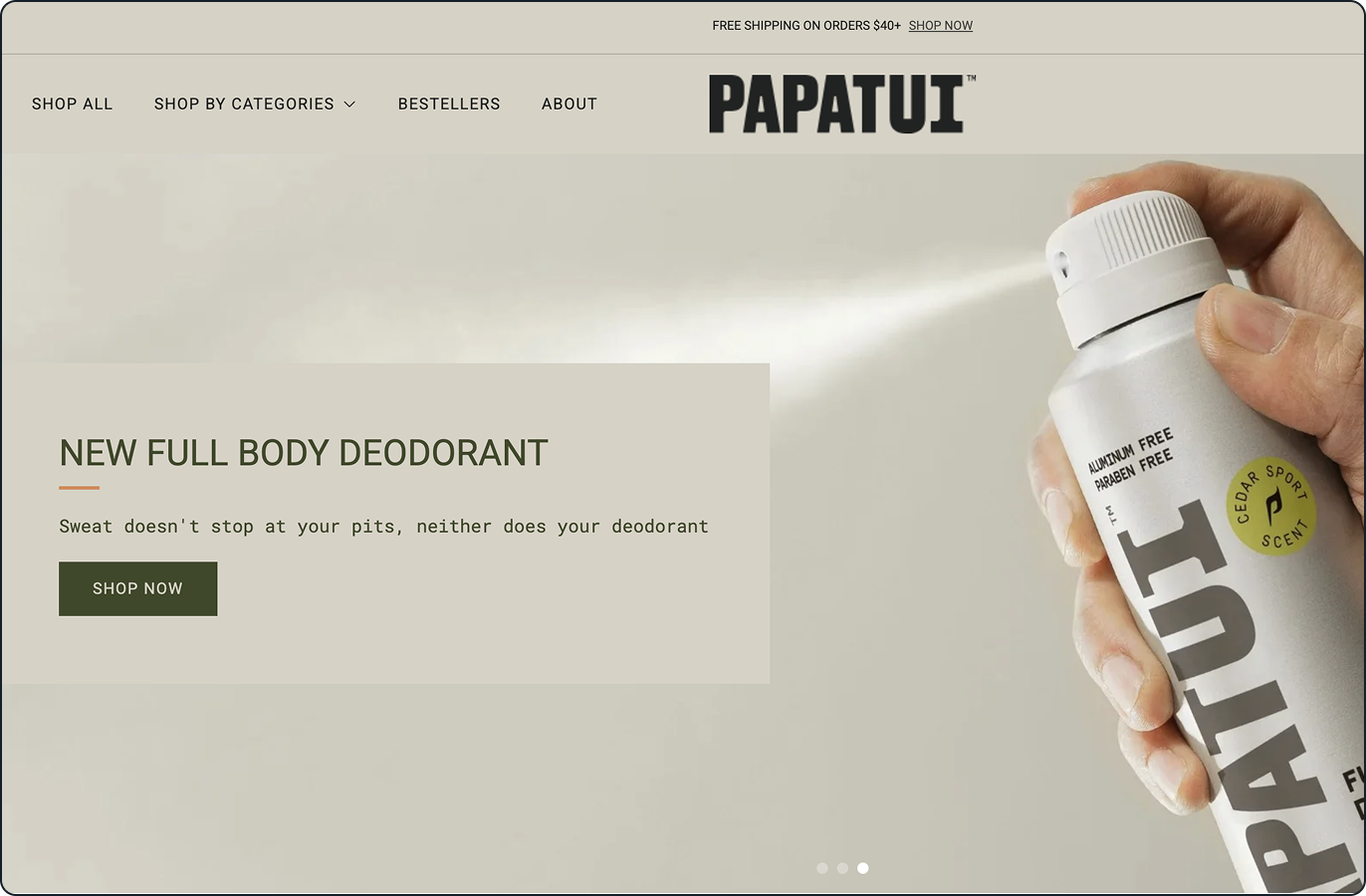
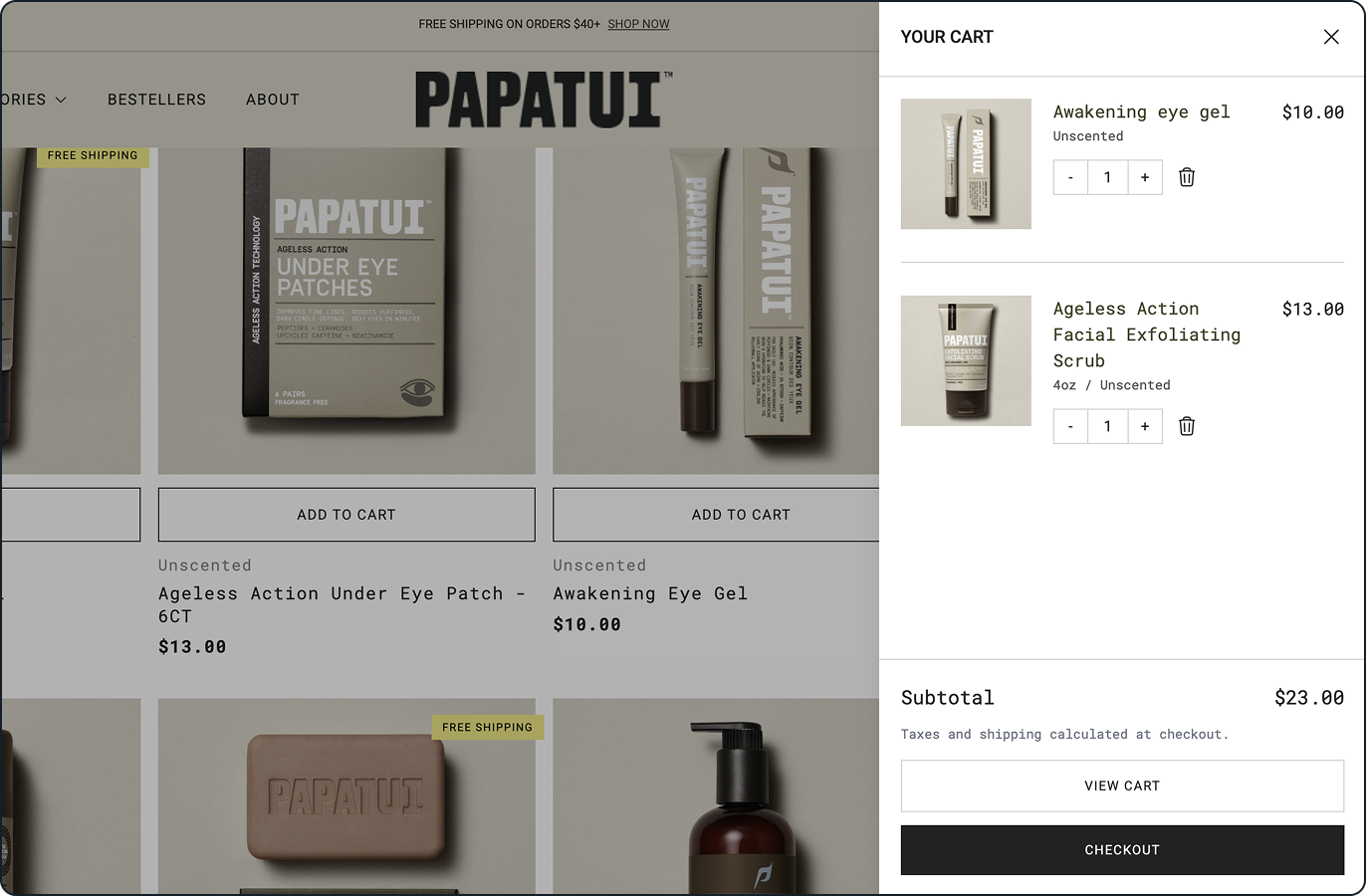
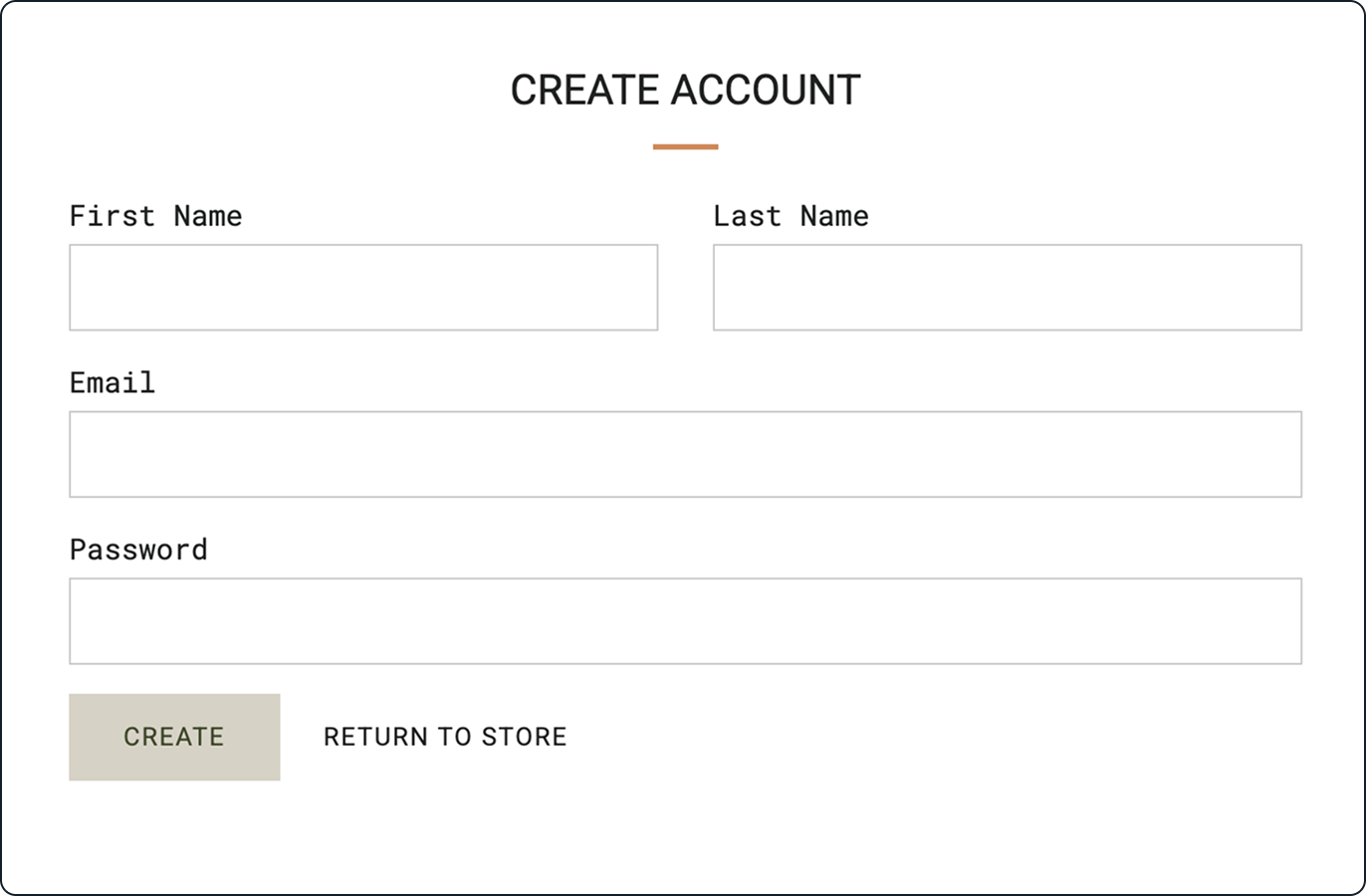
decisions into working code. This meant rebuilding the homepage, product pages, collection logic,
search, and account areas while keeping everything flexible and easy for non-technical teams to manage.
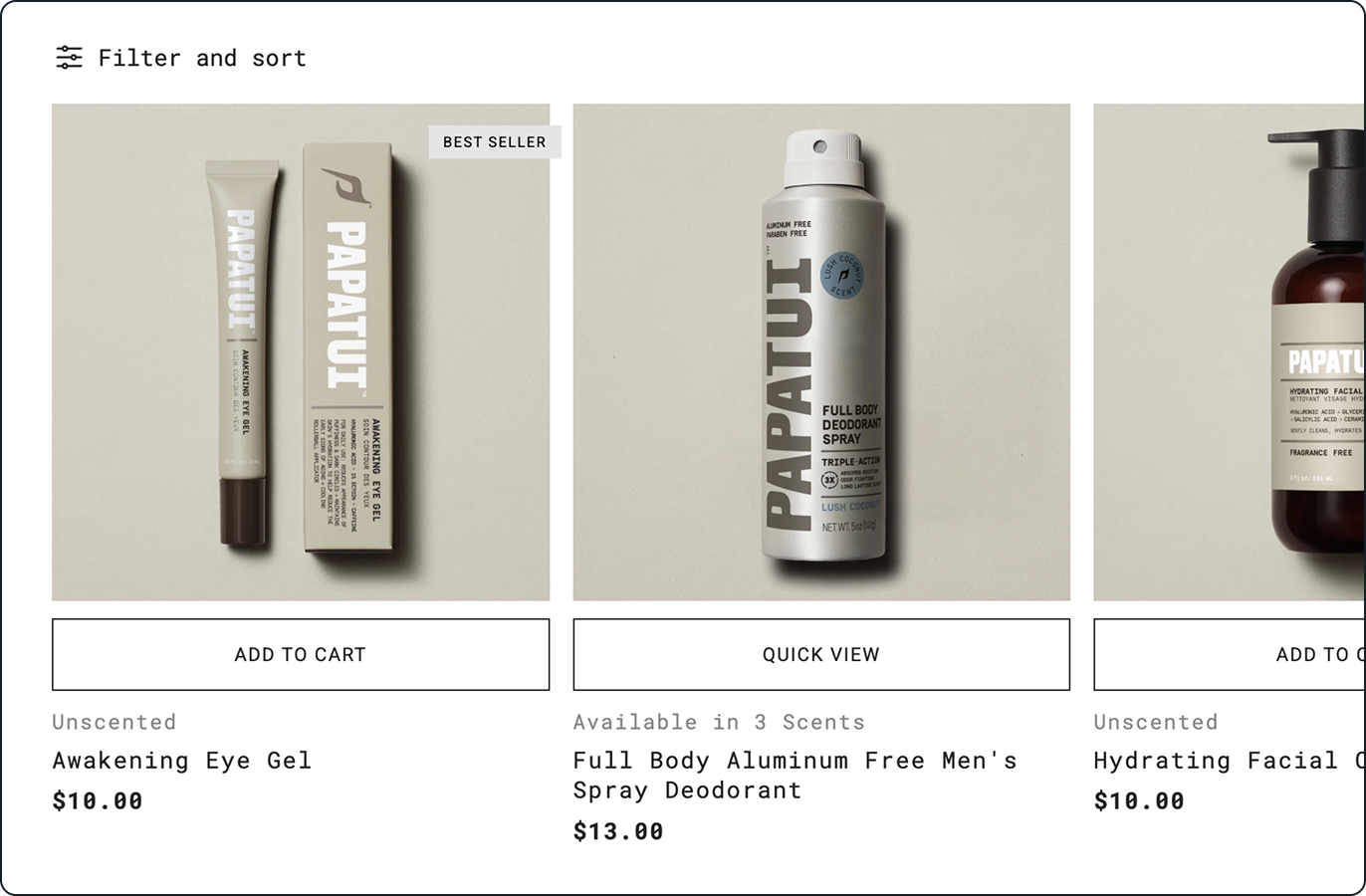
A big focus of the project was ensuring that the theme felt complete. I built out product filtering,
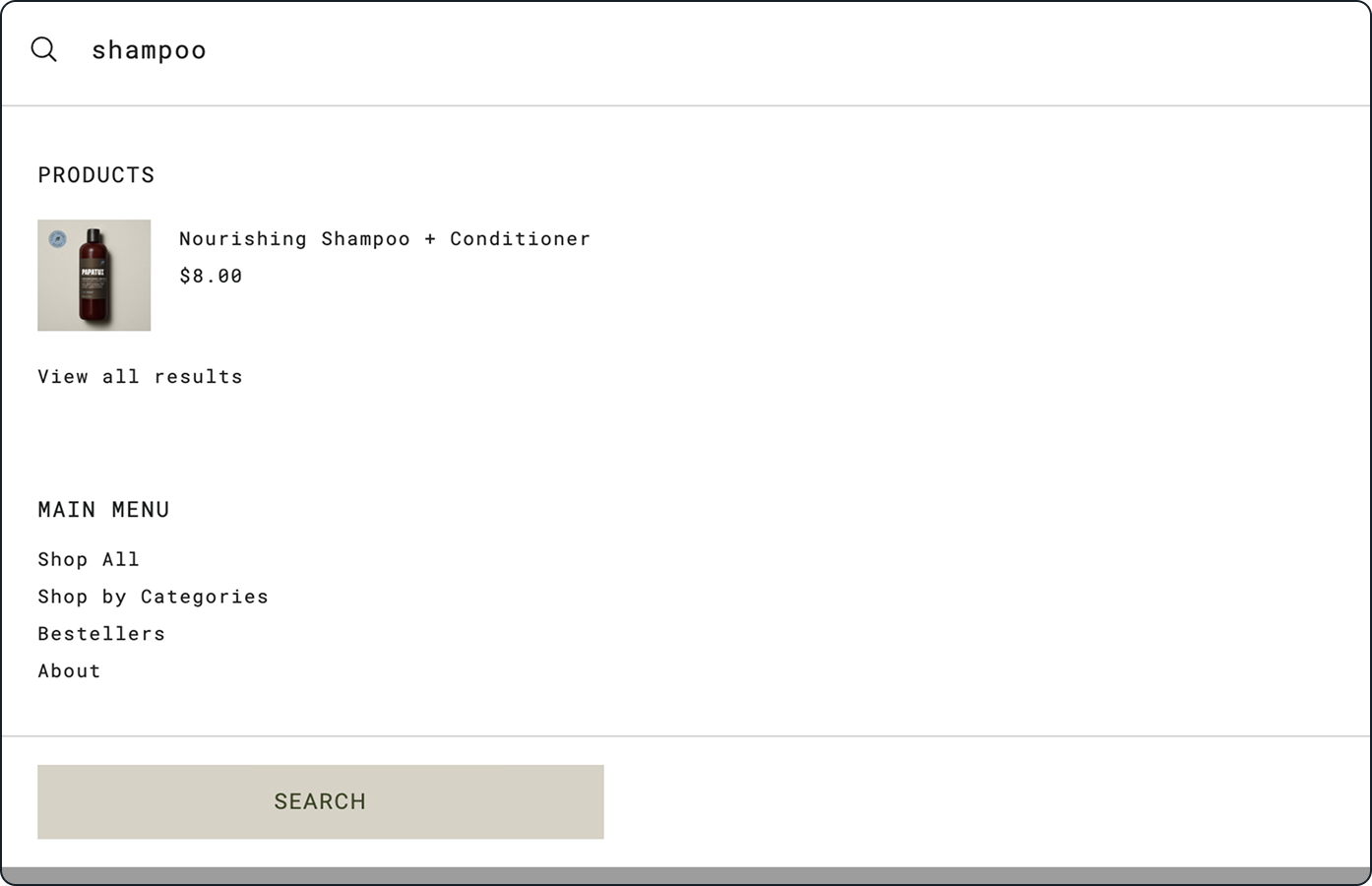
search functionality, and responsive layouts to give the store a polished, modern feel. I also
integrated Klaviyo so visitors could join the brand's email list directly from the site, and I used
metafields to handle content like free-shipping badges without needing to hardcode anything. Because
Shopify powers so many major brands, I wanted this theme to feel like something that could be
shipped into a real store with minimal changes.
Throughout the build, I leaned on my experience in front-end coding and CMS work to structure
everything in a clean, maintainable way. Every section, block, and template uses Shopify's schema
system to keep content modular. Merchants can update text, images, layouts, and products without
asking a developer to step in, which is critical for fast-moving ecommerce teams.
This project helped me bring together all the skills I've been building. HTML/CSS, JavaScript,
Liquid, Klaviyo, design understanding, and systems thinking. More than anything, it shows how I
approach a full ecommerce experience from both a technical and user-focused perspective.